Skip to main content
Menu
Home
Search
Visit
Hours and Directions
Floorplan Map
Facility Rentals
Exhibitions
Current Exhibitions
Ongoing Exhibitions
Past Exhibitions
Online Exhibitions
Research & Collections
Archaeology
Cultural Resource Survey Program
Bioarchaeology
State Archaeologist
Historical Archaeology
Native American Archaeology
Biology
Botany & Mycology
Decapoda
Entomology
Herpetology
Ichthyology
Malacology
Mammalogy
Ornithology
Geology
Research
Collections
Resources
GIS/Maps
Contact
History
Research
Collections
News
Contact
Office of State History
Historian Notes
State History Events
News
Chartering
Resources
Submit
Native American Ethnography
Collections
News
Contact
Paleontology
Invertebrate Paleontology
Vertebrate Paleontology
Paleobotany
Publications
Education Leaflet
Image Use Requests
Map & Chart Series
Museum Bulletins
Museum Staff Publications
NYSM Record
Additional Resources
R&C Staff Directory
Collection Databases
Geographic Names
State Land Permits
Programs
Education
Group Visits
Teacher Workshops
Afterschool Programs
Discovery Place
About
Overview
News
Press
Our History
Contact
Volunteer
Join Us
Volunteer Opportunities
Internships
Apply Now
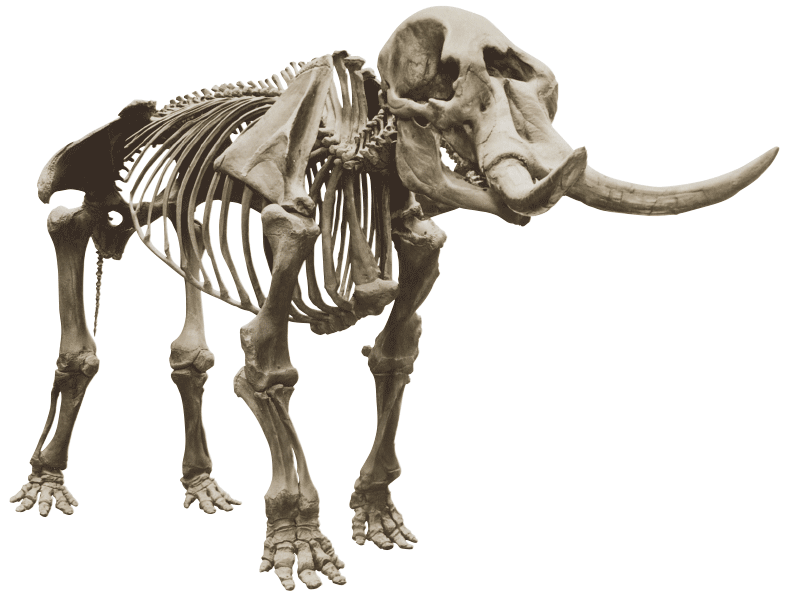
Our apologies, but much like the Cohoes Mastodon,
this page is history.
Please return to the
NYSM Homepage
and try to unearth what you were searching for from there!
If you entered the URL manually please check your spelling and try again.
If you think this is a server error, please contact the
webmaster
Visit
Floorplan Map
Facility Rentals
Exhibitions
Past Exhibitions
Online Exhibitions
Research & Collections
Archaeology
Geoarchaeology
Collections
News
Contact
Bioarchaeology
Collections
News
Contact
CRSP
Resources
News
Contact
Historical Archaeology
Collections
News
Contact
Native American Archaeology
Collections
News
Contact
News
Contact
Biology
Botany & Mycology
Mycology Database
Contact
Decapoda
News
Contact
Entomology
Collections
News
Contact
Herpetology
News
Contact
Ichthyology
Collections
News
Contact
Malacology
Collections
News
Contact
Mammalogy
News
Contact
Ornithology
Collections
News
Contact
Geology
Collections
Resources
GIS/Maps
News
Contact
History
Cultural History
Collections
News
Contact
Social History
Collections
News
Contact
Economic History
Collections
News
Contact
Political History
Collections
News
Contact
Collections
News
Contact
Office of State History
Historian Notes
Events
News
Chartering
Resources
Submit
Native American Ethnography
Collections
News
Contact
Paleontology
Vertebrate Paleontology
Collections
News
Contact
Invertebrate Paleontology
Collections
News
Contact
Paleobotany
News
Contact
Publications
Education Leaflets
Image Use Requests
Map & Chart Series
Museum Staff Publications
NYSM Bulletins
NYSM Record
Additional Resources
R&C Staff Directory
Collection Databases
Geographic Names
State Land Permits
Programs
Education
Group Visits
Teacher Workshops
Afterschool Programs
Discovery Place
About
News
Press
Our History
Contact
Volunteer
Volunteer Opportunities
Internships
Apply Now